
Exploring the best countries to open a business bank account legally unveils a realm of possibilities for entrepreneurs seeking financial stability and growth. This guide is meticulously crafted to provide valuable insights and practical advice, ensuring a seamless journey through the complexities of international banking regulations.
Delve into the nuances of legal requirements, optimal banking jurisdictions, fee structures, and digital banking services as we navigate through the intricacies of global business banking.
Legal Requirements for Opening a Business Bank Account
Opening a business bank account requires meeting specific legal requirements to ensure compliance with regulations and prevent financial crimes. Here are the key legal requirements and documentation needed for businesses to open a bank account in various countries:
Verification Documents
- Valid government-issued identification of the business owners and authorized signatories.
- Proof of business registration and incorporation documents.
- Business license or permit, depending on the industry and location.
- Proof of physical address for the business, such as utility bills or lease agreements.
Compliance with Anti-Money Laundering (AML) Regulations
- Businesses must adhere to AML regulations to prevent money laundering and terrorist financing.
- Financial institutions may require additional information on the source of funds and the nature of business activities.
- Regular monitoring of transactions to detect suspicious activities and report them to relevant authorities.
- Failure to comply with AML regulations can result in account closure and legal consequences for the business.
Best Countries for Business Bank Accounts
Opening a business bank account in a foreign country can offer various advantages such as lower fees, better interest rates, and more stability. However, it is essential to choose the right country to ensure smooth operations and compliance with legal requirements.
Switzerland
Switzerland is known for its stable economy, strong banking system, and strict privacy laws. Opening a business bank account in Switzerland can provide access to a wide range of financial services and investment opportunities. However, the country's high costs and strict regulations may be a drawback for some businesses.
Singapore
Singapore is a popular choice for businesses looking to expand into Asia. The country offers a favorable tax environment, efficient banking services, and a well-established legal system. While the process of opening a business bank account in Singapore is relatively straightforward, businesses may face stiff competition and high operating costs.
United Arab Emirates (UAE)
The UAE, particularly Dubai, has emerged as a hub for international business. With its strategic location, tax advantages, and modern infrastructure, the UAE is an attractive option for businesses looking to establish a presence in the Middle East. However, businesses operating in the UAE must comply with strict regulations and cultural norms.
United States
The United States is home to a diverse and dynamic business environment. Opening a business bank account in the US can provide access to a large market, sophisticated banking services, and investment opportunities. However, the country's complex tax regulations and compliance requirements may pose challenges for foreign businesses.
Banking Fees and Charges
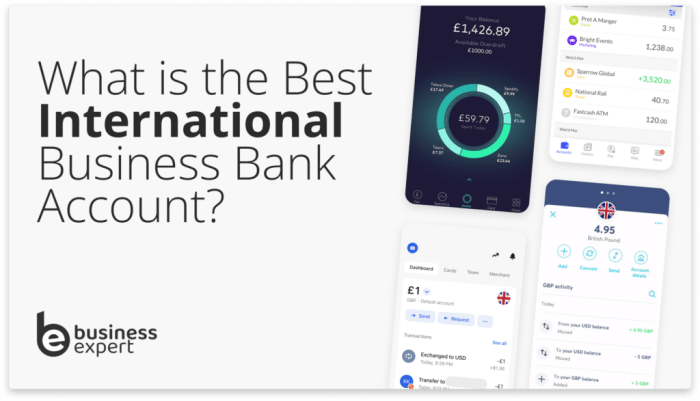
When opening a business bank account, it is important to be aware of the various fees and charges that may apply. These fees can significantly impact the overall cost of banking for your business. By understanding these fees and implementing strategies to minimize them, you can optimize cost savings and choose the best country for your business bank account.
Common Banking Fees and Charges
- Monthly Account Maintenance Fees: Many banks charge a monthly fee for maintaining a business bank account. This fee can vary depending on the country and the type of account you choose.
- Transaction Fees: Banks may charge fees for each transaction you make, such as deposits, withdrawals, and transfers. These fees can add up quickly, especially for businesses with high transaction volumes.
- Overdraft Fees: If you overdraft your account, banks may charge hefty fees. It is important to have sufficient funds in your account to avoid these charges.
- Wire Transfer Fees: Sending or receiving wire transfers can come with significant fees. Be sure to inquire about these fees before conducting any international transactions.
- Currency Conversion Fees: If you deal with multiple currencies, banks may charge fees for converting funds. Look for banks that offer competitive exchange rates to minimize these costs.
Strategies to Minimize Banking Fees
- Choose a Bank with Low Fees: Research different banks in the country you are considering and compare their fee structures. Look for banks that offer low or no fees for the services you commonly use.
- Maintain a Minimum Balance: Some banks waive monthly fees if you maintain a minimum balance in your account. Consider this option to avoid unnecessary charges.
- Negotiate with the Bank: In some cases, banks may be willing to waive certain fees or offer discounts if you negotiate with them. It never hurts to ask!
- Use Online Banking: Online banking can help you save on transaction fees, as many banks offer free or discounted online transactions.
Influence of Fee Transparency on Country Choice
Transparency in fee structures is crucial when choosing a country for your business bank account. Clear and upfront information about fees allows you to make informed decisions and avoid unexpected charges. Countries with transparent fee structures may be more favorable for businesses looking to minimize banking fees and optimize cost savings.
Digital Banking Services
In today's fast-paced business environment, digital banking services play a crucial role in facilitating seamless financial transactions and managing business operations efficiently. Let's explore the availability and quality of digital banking services in different countries and discuss their importance for businesses.
Traditional Banks vs. Online-Only Banks
When it comes to digital banking services, traditional banks and online-only banks offer distinct advantages. Traditional banks typically have a physical presence and offer a wide range of services, including online banking platforms. On the other hand, online-only banks operate solely through digital channels, providing convenience and often lower fees.
Businesses need to consider factors such as customer service, fees, and ease of use when choosing between traditional banks and online-only banks.
Online Banking Features for Business Operations
Online banking features are essential for streamlining business operations, such as making payments, transferring funds, and monitoring cash flow. Some key features to look for in digital banking services include:
- Multi-user access for managing finances collaboratively
- Mobile banking apps for convenient access on-the-go
- Integration with accounting software for seamless financial management
- Real-time transaction monitoring for better decision-making
Having robust online banking features can enhance efficiency, improve security, and save time for businesses.
Availability and Quality of Digital Banking Services
Different countries offer varying levels of digital banking services, with some leading the way in innovation and technology. For example, countries like Singapore, Estonia, and the United Kingdom are known for their advanced digital banking infrastructure, offering a wide range of online services tailored to businesses.
It's essential for businesses to choose a country with strong digital banking services to ensure smooth financial transactions and operations.
Conclusive Thoughts
In conclusion, the landscape of business banking offers a myriad of opportunities for savvy entrepreneurs looking to establish a solid financial foundation. By understanding the best countries to open a business bank account legally, businesses can strategically position themselves for success in an increasingly competitive global economy.
Clarifying Questions
What are the key legal requirements for opening a business bank account?
Businesses typically need to provide proof of identity, business registration documents, and tax identification numbers to open a bank account legally.
Which countries are known for their favorable business banking environments?
Countries like Singapore, Switzerland, and the United States are often considered favorable for opening business bank accounts due to their robust financial systems and regulations.
How can businesses minimize banking fees when opening an account?
By maintaining a good account balance, conducting fewer transactions, and choosing banks with transparent fee structures, businesses can minimize banking fees effectively.
What is the importance of digital banking services for businesses?
Digital banking services offer convenience, efficiency, and real-time financial management for businesses, enhancing operational capabilities and optimizing financial processes.


